

If you know beauty, you know Beautyblender. Since the brand’s launch in 2003, those fuchsia, egg-shaped sponges have become a staple in the beauty industry, thanks to the ingenuity of Rea Ann Silva, Beautyblender’s Latina founder and CEO. Today, the Bethlehem, Pennsylvania-based company is coming off its 13th Allure Best of Beauty Hall of Fame Award, and does $100 million to $150 million in annual retail sales.
But you don’t dominate a trend-driven industry for more than two decades without encountering a few challenges. Between the pressure to innovate, changes in technology, and knockoffs of her product, Silva has faced her fair share.
Here’s Silva’s advice for staying at the forefront of a fast-paced industry.
Start With a Star Product
In the early 2000s, in her early days as a celebrity makeup stylist, Silva was working on a high-definition TV series. She needed a quick way to ensure the makeup looked natural and airbrushed, so she started experimenting with her sponges.
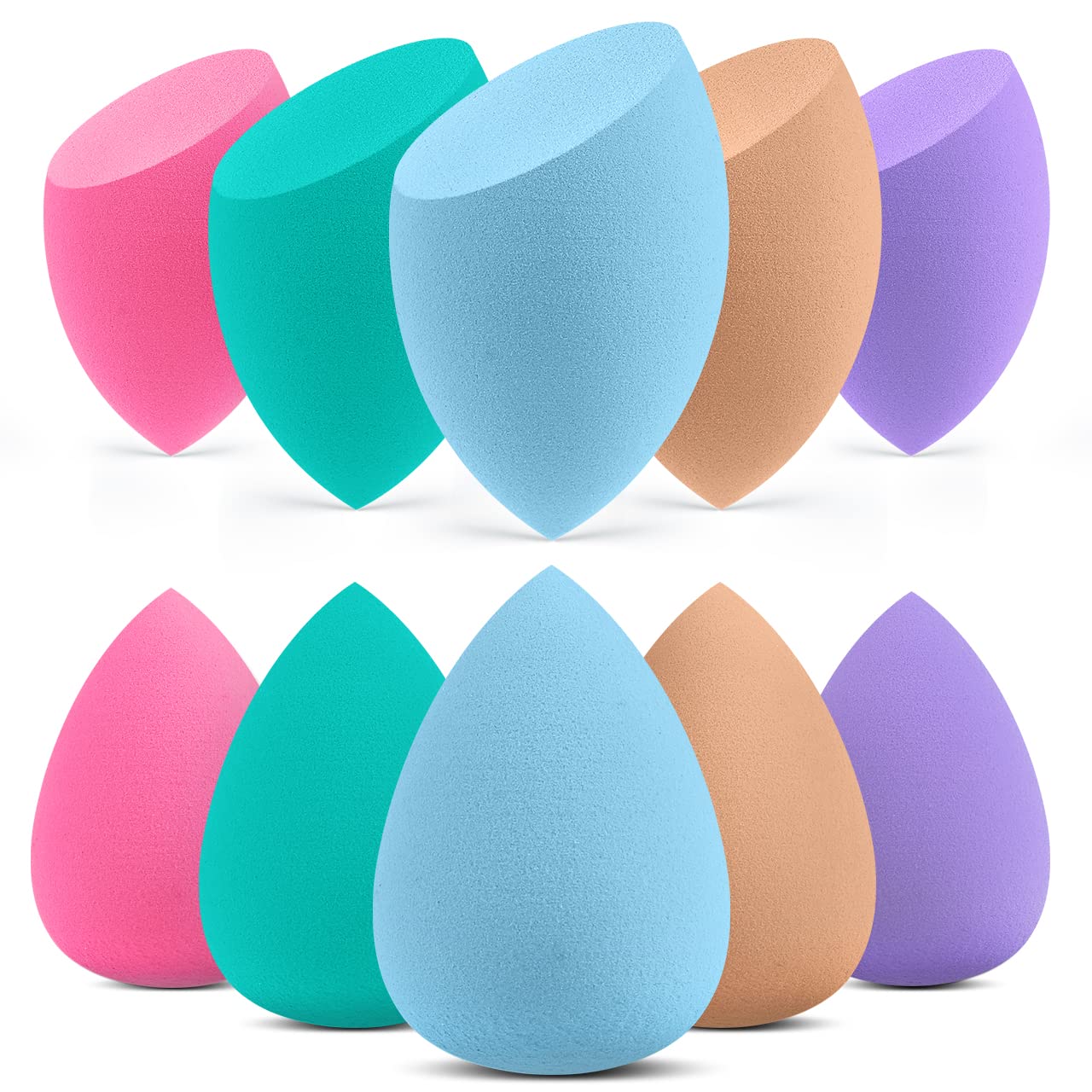
She hand-cut the sponges into a variety of shapes before landing on an “egg” with a pointed tip. But while Silva originally created the Beautyblender for makeup artists, the consumer market was the natural progression for her user-friendly product.
This, she says, was the first step toward industry domination: “If it didn’t work, it wouldn’t be relevant.”
At the time, there wasn’t a space in the industry for beauty blenders, says Anna Stella, an award-winning marketer and founder of Dover, Delaware-based marketing firm BBSA. Silva “created a new category from scratch,” Stella says—evidence that being first often matters more than being better.
Don’t Just Throw Money at Marketing
Beautyblender became a category leader thanks in part to early makeup influencers who loved the product. Now, Silva uses paid media with a roster of influencers, from powerhouses like Erica Taylor to mid-tier and micro influencers like Ale Jay and Riya Bodas. But despite her brand’s success on social media, Silva restrains herself when it comes to Beautyblender’s influencer budget.
You can always throw money at marketing to try to stay relevant, she says, but that’s not efficient—especially for smaller brands. And Silva, who retains 100 percent ownership of the company, still considers Beautyblender to be an “indie brand.”
Finding the sweet spot between spending and returns is essential to longevity, Silva says: “The biggest challenge is staying productive and selling products so I can afford to market the products. It’s a constant reshuffling of the deck.”