

From the bristles of brushes to the porous surfaces of sponges, your makeup kit can harbour a host of bacteria and fungi.
These potentially hazardous contaminants can originate not only from the cosmetics themselves, but also from the very surface of our skin.
So, how can we keep things hygienic and avoid microbial growth on makeup brushes and sponges? Here’s what you need to know.
How do germs and fungi get in my brushes and sponges?
Germs and fungi can make their way into your makeup kit in lots of ways.
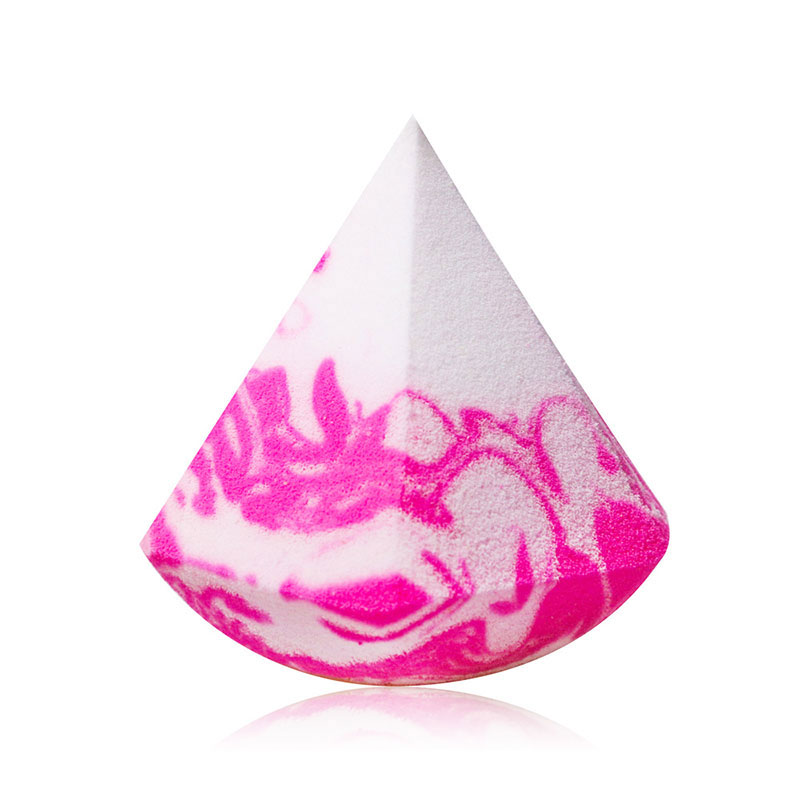
Ever flushed a toilet with the lid open with your makeup brushes nearby? There’s a good chance faecal particles have landed on them.
Perhaps a family member or housemate has used your eyeshadow brush when you weren’t looking, and transferred some microbes across in the process.
Bacteria that trigger a pimple outbreak can be easily transferred from the surface of your skin to a makeup brush or sponge.
And tiny little mites called Demodex mites, which have been linked to certain rashes and acne, live on your skin, as well, and so may end up in your sponge or brushes.
Bacterial contamination of lip cosmetics, in particular, can pose a risk of skin and eye infections (so keep that in mind if you use lip brushes). Lipsticks are frequently contaminated with bacteria such as Staphylococcus aureus, E. coli, and Streptococcus pneumoniae.
Low-quality cosmetics are more likely to have higher and more diverse microbial growth compared to high-quality cosmetics.
Brushes exposed to sensitive areas like the eyes, mouth and nose are particularly susceptible to being potential sources of infection.
The range of conditions caused by these microorganisms includes:
abscesses
skin and soft tissue infections
skin lesions
rashes
and dermatitis.
In severe cases, infections can lead to invasion of the bloodstream or deep tissues.
Commercially available cosmetics contain varying amounts and types of preservatives aimed at inhibiting the growth of fungi and bacteria.
But when you apply makeup, different cosmetics with unique formulations of preservatives can become mixed. When a preservative meant for one product mixes with others, it might not work as well because they have different water amounts or pH levels.
So preservatives are not foolproof. We also need to observe good hygiene practices when it comes to brushes and other cosmetics applicators.